
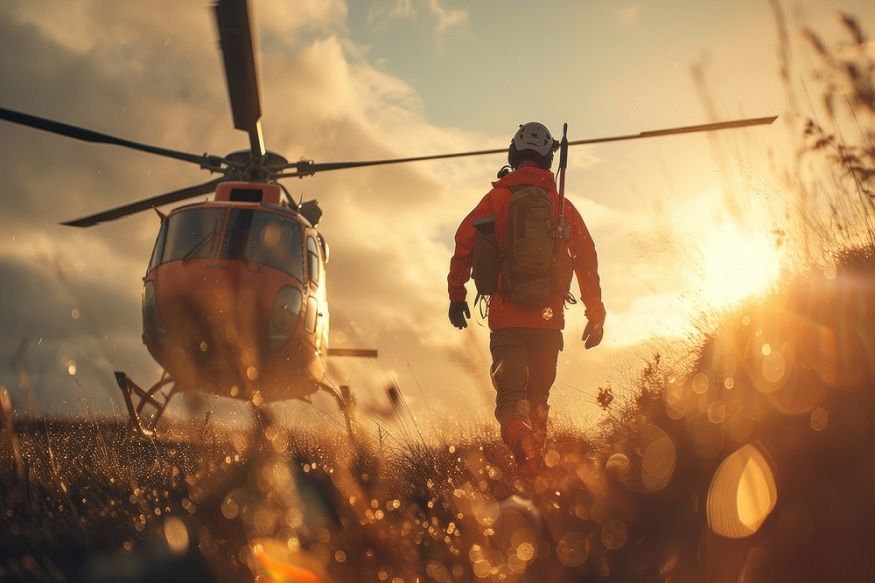
Medical aircraft zip across America every single day. They grab sick people from faraway places and rush them to big hospitals. The people who make these flights happen hardly get any credit. But up there, five or six miles high, they’re fighting to keep people alive.
The Medical Crew Takes Flight
Flight nurses and paramedics are essential to these missions. Compared with these people, hospital employees have it easy. The plane shakes like crazy sometimes. All their gear needs to work right even when the air pressure drops. And they’re stuck working in a space about as big as your bathroom.
These people go through some serious training. They study how thin air messes with your body. Flight simulators become their second home. Years pass before anyone lets them work solo on an actual flight. On any given day, they might keep a tiny baby breathing, restart someone’s heart, or patch up car crash victims; and the whole time their workspace is tilting and bouncing through storm clouds.
Pilots Who Do More Than Fly
Flying the plane is just part of what these pilots handle. Storms can form unexpectedly. Their landing spots are unpredictable. Every choice happens fast, and people’s lives hang on those choices. These pilots start working way before the propellers spin. Weather maps cover their desks. Fuel calculations fill their notebooks. They pick backup landing spots just in case. Once they’re airborne, the radio chatter never stops. Hospitals need updates. Air traffic controllers need position reports. Ground teams need arrival times. If you ask, each one will say their job is a combination of pilot, paramedic, and traffic controller. They face intense pressure because a father, daughter, or close friend is counting on them.
The Unsung Support Network
Mechanics treat these aircraft like their own kids. After each flight, they crawl over every inch looking for problems. Something breaks at 2 AM? They fix it. No excuses. Because of them, aircraft stay ready to go whenever the emergency phone rings.
Dispatch coordinators run the show from rooms full of computer monitors. Phone calls pour in about heart attacks, car wrecks, premature births. They figure out which helicopter goes where. They call ahead to hospitals. They keep families informed about what’s happening. Picture someone handling three different medical crises at once while staying completely cool; that’s what they do all day long.
Even the air ambulance interiors get special treatment from designers at companies like LifePort who squeeze medical gear into tiny spaces. Everything needs to stay put during rough flights but still be easy to grab. Engineers run power cables and oxygen lines through walls thinner than your thumb. Each square foot has a job to do.
Technology Meets Compassion
Medical flights today combine technology and care. Satellites assist pilots in avoiding storms. Doctors can remotely monitor heart patients. Blood pressure readings flash on machines often. However, it’s the people using the gadgets, not the gadgets themselves, who save lives. For these crews, a 24-hour shift is typical. Christmas dinner with the family? Maybe next year. Watching patients die takes a toll that follows them home. They come back anyway, shift after shift, because somewhere a kid needs a liver transplant or a farmer had a stroke two hours from the nearest hospital.
Conclusion
These emergency flight teams pull off thousands of rescues across the country each year. Small towns with no hospitals depend on them. Highway crash victims get second chances because of them. The genuine heroes are the unseen workers. When that medical helicopter passes overhead tomorrow morning, think of the people on board. They’re currently up there, working to bring someone back alive.